Get a Quote
Home About Us Truck 360 AVM Products Solutions Cases Factory News Contact 中文 Get a Quote
SOLUTIONS

Industry Solutions

Every fleet buys cameras for a different reason: fleet operators want lower accident costs, upfitters want easy integration, construction machinery needs hardware that survives. Four scenarios, four configurations.
Logistics fleet
SCENARIO 01

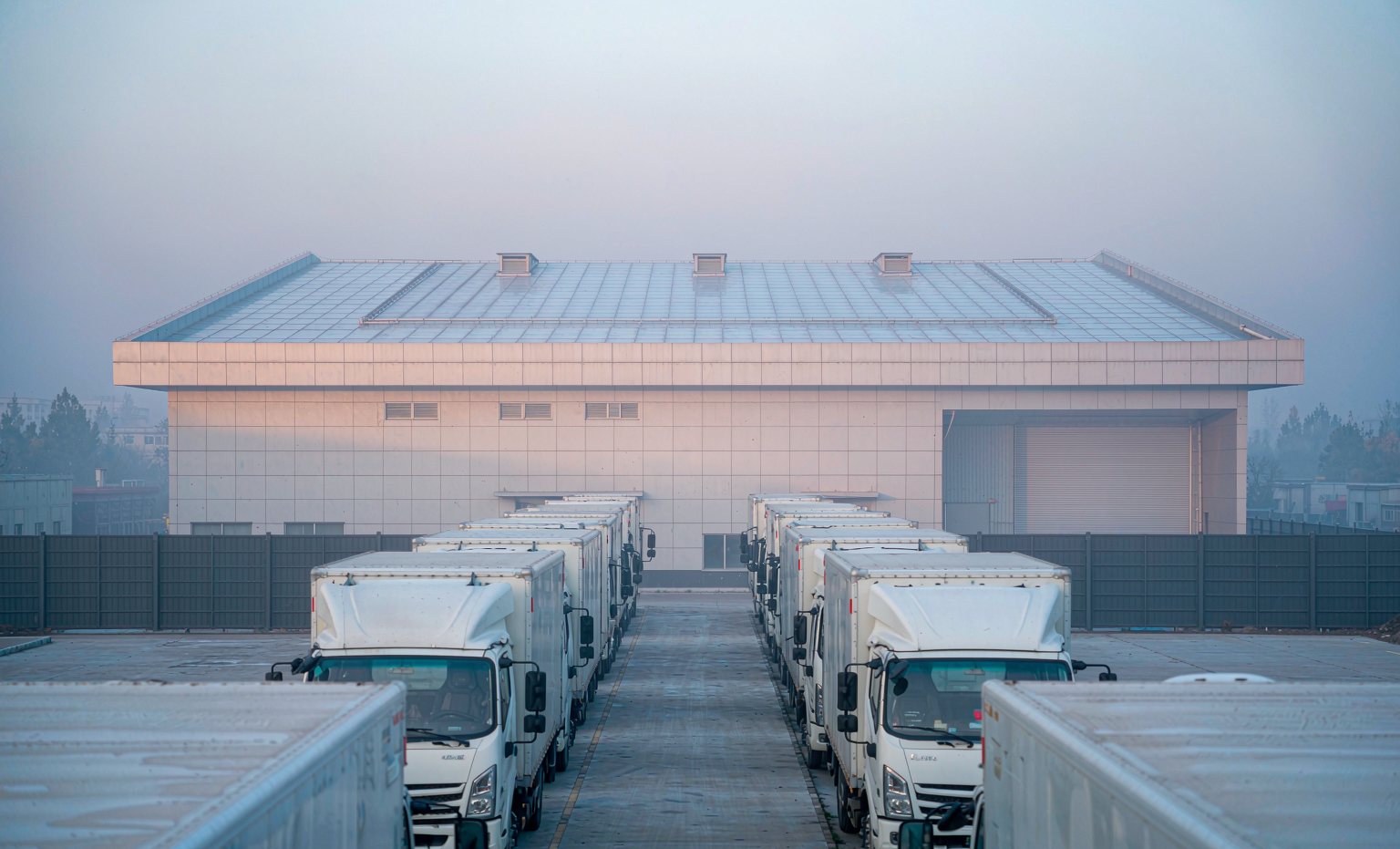
Logistics Fleet Management

On long-haul routes, a single scrape — compensation plus downtime — can cost more than the entire fleet's equipment budget. The harder problem isn't just accidents; it's that the trucks are on the road and you can't see what's happening.

Three problems you can't avoid

  • Right-turn and reversing blind spots: on a 10-plus-meter truck, the two meters along the right side are pure blind spot — exactly where pedestrians and e-bikes appear.
  • Fatigue and distraction: after four hours of continuous driving, two seconds with eyes closed means tens of meters traveled. With no footage to review, liability becomes a dispute.
  • Uncontrolled dispatching: detours, side jobs, abnormal fuel consumption — with no data, managers depend entirely on driver discipline.
Our approach: split "seeing" and "managing" into two problems — surround view and DMS (Driver Monitoring System) handle safety; the 4G recorder handles management.
Typical Configuration · Estimated for 30 Heavy Trucks
DeviceModelFunction
360° Surround ViewFB80054-channel stitching, eliminates body blind spots
Fatigue MonitoringX066Real-time alarm on closed eyes and head-down posture
4G RecorderX400Dual-channel recording, GPS, remote viewing
In-cab Display7" quad-viewAuto-switches to reversing view
Side / Rear CamerasX099Fills in surround-view edge angles
Configuration is adjusted by vehicle type, length and route. Devices can be delivered in batches — install 5 units first to validate, then scale up.
Bus and school bus
SCENARIO 02

Buses and School Buses

Bus monitoring serves two purposes: safety and being able to prove what happened. Stop-area blind spots, in-cabin order and retained driving records are the three things operators get inspected on most often.

Configuration priorities

  • Six-channel coverage: front, rear, both sides, boarding doors and cabin — no key position left out.
  • Stop-area blind spots: right-side cameras linked to the in-cab display let drivers see outside the door before opening it.
  • Retained footage: local storage with full playback. When a dispute arises, footage is more convincing than explanations.
School bus projects usually have to pass acceptance by the school and the authorities. We provide the device list and camera location drawings to make that easier.
Typical Configuration · Six-Channel Monitoring
PositionDeviceFunction
FrontADAS (Forward Collision Warning & Lane Departure Warning)Forward collision and lane departure alerts
CabinX015 domeIn-cabin order and passenger status
Boarding doorsX018 domeOutside view at the moment doors open
Left / right sidesX099 square housingStop areas and lane-change blind spots
RearReversing cameraReversing and rear-view recording
Main unitMulti-channel recorderCentralized recording and storage
Channel count and camera positions can be adjusted to local acceptance standards for school bus projects.
Construction machinery
SCENARIO 03

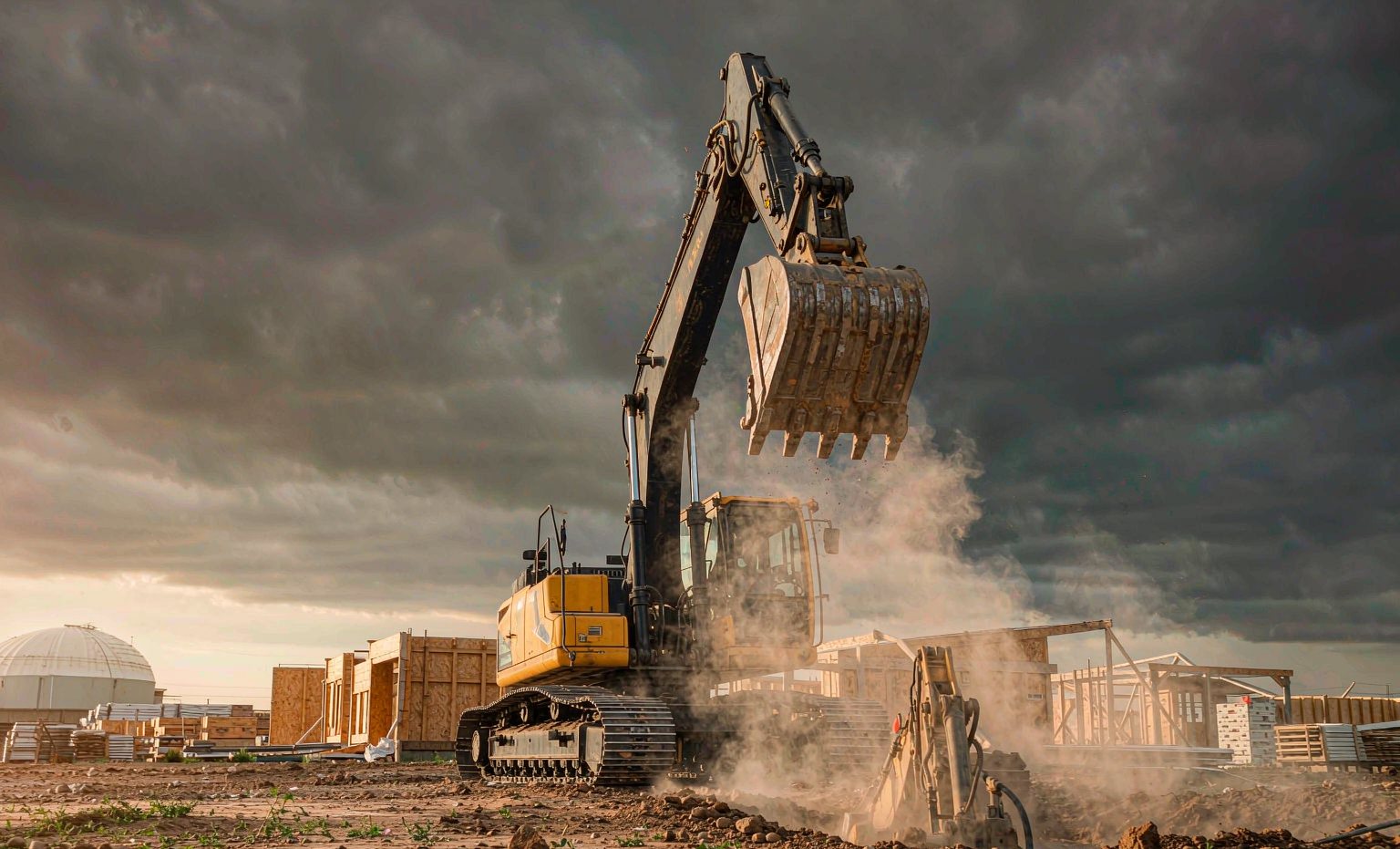
Construction Machinery

Dust, constant vibration and day-night temperature swings: ordinary vehicle cameras often leak water or fog up within six months on a job site. The camera is cheap — the downtime isn't.

Why ordinary cameras don't last

  • Sealing: housing seams and cable outlets fail first — potting compound and waterproof connectors are required.
  • Vibration fatigue: long-term high-frequency vibration loosens solder joints and lens mounts, and the image gradually goes out of focus.
  • Temperature limits: in summer, the cab and equipment bay can exceed 70℃ — ordinary designs throttle or shut down.
Our approach: automotive-grade wide-temperature components + potted metal housings + rubber vibration mounts. Waterproofing up to IP69K — rated for high-pressure washer cleaning.
Key Specifications
ItemSpecification
Ingress protectionIP68 / IP69K
Operating temperature-40℃ ~ +85℃
Supply voltageWide-voltage DC 9–36V
Housing materialMetal / zinc alloy
Vibration dampingRubber pads + metal bracket
Cable outletAviation connector / waterproof connector
Brackets and harness lengths can be customized per equipment model.
Upfitting and installation work
SCENARIO 04

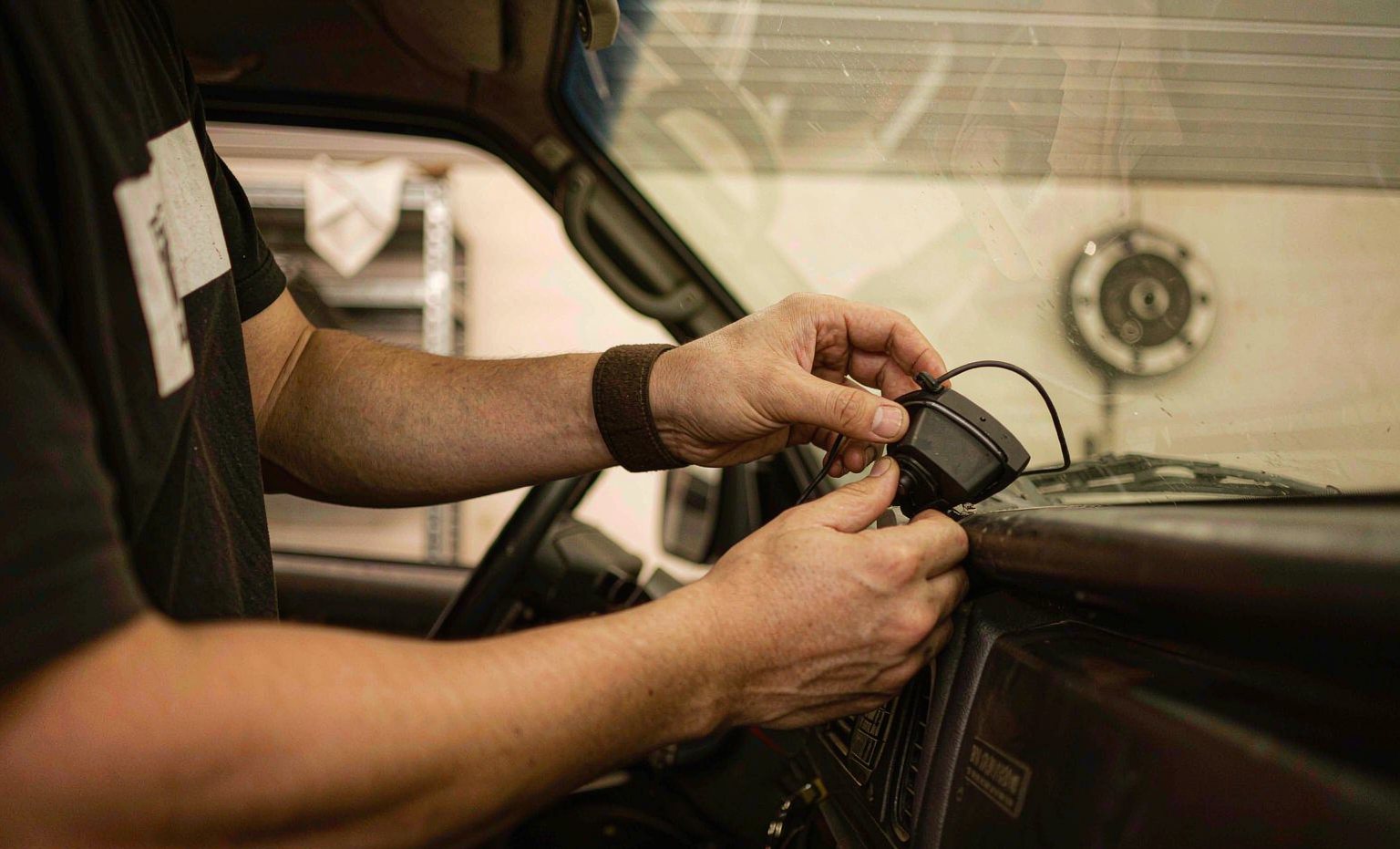
Upfitters and Vehicle Integrators

Every vehicle has different mounting positions, power pickup points and connector pinouts. Standard products don't fit, and most factories won't take small custom orders — that's the bottleneck every upfitter knows.

Where we can support you

  • Housing and appearance: housing retooling, colors and silkscreen printing — your LOGO from 500 units.
  • Connectors and harnesses: connector models, cable lengths, aviation or automotive-grade connectors, matched to your assembly practice.
  • Protocols and imaging: private protocol integration, exposure and white balance tuning, WDR parameters — configured for your head unit.
Process: requirements confirmed → quotation → sampling/prototyping (10–15 working days) → pilot run → volume delivery (20–30 working days).
Customization Capability List
ItemCustomizable Range
MOQLOGO printing from 500 units
HousingStructural retooling / color / silkscreen
LensFocal length, field of view, aperture
InterfaceUSB / AHD / LVDS / MPI
HarnessLength, connectors, outlet direction
SoftwarePrivate protocols, image parameters
PackagingNeutral or customer brand
Mainboard design is in-house — changes don't depend on third parties, so lead time stays under control.

Tell us your vehicle type and quantity,
and we'll send a configuration list you can quote from directly.

No need to pick models first. Describe the use case, vehicle type and rough quantity — our engineers will configure the set and attach a quotation.